
Gutter Cleaning Galway
- Rated 5-Stars ⭐⭐⭐⭐⭐
- Gutter cleaning for homes & businesses
- 10+ years of experience
- Eco-Friendly cleaning solutions
- Free gutter clearance quotes in Galway
- 500+ projects completed
Get a FREE Gutter Cleaning Quote in Galway
Rated 5-Stars
EXCELLENTTrustindex verifies that the original source of the review is Google. Very helpful and great workPosted on GoogleTrustindex verifies that the original source of the review is Google. Had the guys up first time on Friday did a great job very happy in what they did very pleasant arrived on time just got on with the job highly recommend would get them again thanks guys 🙂Posted on GoogleTrustindex verifies that the original source of the review is Google. Very happy with our roof and gutter cleaning. Good communication and professional. They even removed an old satellite dish for us. Great job and much appreciated!Posted on GoogleTrustindex verifies that the original source of the review is Google. Very happy with window cleaning service. Very professional. No complaints.Posted on GoogleTrustindex verifies that the original source of the review is Google. I was really happy with the work premium power washing services did at our house. The house looks great, really freshened it up for the summer. Id highly recommend them.Posted on GoogleTrustindex verifies that the original source of the review is Google. We are delighted with the power washing service Brian provided. They were reliable, punctual and incredibly tidy. Will definitely be back next time.Posted on GoogleTrustindex verifies that the original source of the review is Google. Brian, fabulous to deal it. Guys done a lovely job. Would recommend. Thanks againPosted on GoogleTrustindex verifies that the original source of the review is Google. Fantastic service! Brian cleaned the patio, roof, gutters, windows, soft washed walls, and the house came up like new! Very fast service and so easy to deal with, highly recommend!Posted on GoogleTrustindex verifies that the original source of the review is Google. Very efficient super service extremely professional highly recommend
Professional Gutter Cleaning Galway
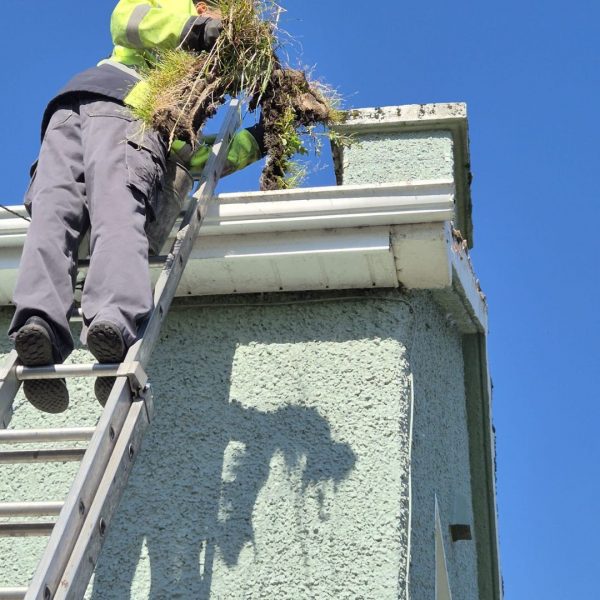
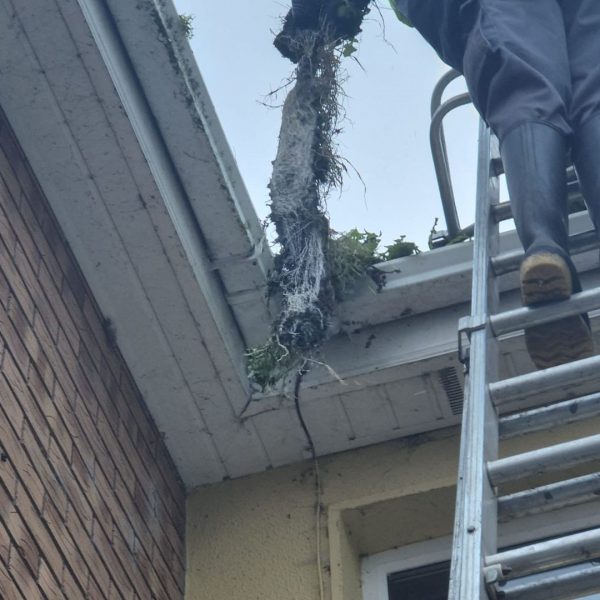
Almost nobody inspects their guttering, but everybody can read the signs it gives off, and knowing what to look for means the problem gets dealt with before it becomes an expensive one. Water sheeting over the front lip during rain is the obvious one and the latest. By the time a channel is overflowing along its length it has been full for some time, and the water now running down the face of the building has probably been doing so for several downpours already. Dripping from the joints between sections is earlier and more useful. Standing water sits in a blocked run permanently rather than passing through, and a joint that was perfectly adequate for moving water becomes a leak when asked to hold it. A steady drip from one point on a dry day, hours after rain has stopped, means water is being retained above it. Plants are the unambiguous sign. Grass, seedlings and occasionally something more substantial growing out of a channel means the accumulated material has become deep enough and rich enough to support root growth, which takes years rather than months. Anything visible from the ground represents a great deal more that is not. Staining on the wall beneath a particular section is worth walking round for. A vertical dark streak below one point on the guttering, especially where it does not appear elsewhere, marks where water has been coming over repeatedly in the same place. Sagging is structural rather than cosmetic. Standing water is heavy, considerably heavier than brackets were specified to carry, and a run that dips visibly in the middle is holding water permanently and pulling on its fixings. Birds are the seasonal warning. Nesting activity around a roofline in spring frequently means material is being introduced directly into the channel or the top of a downpipe, and the consequences arrive later in the year rather than immediately. Water pooling at the base of a wall, or a downpipe that stays dry during heavy rain while another runs freely, both point to blockages below rather than in the channel. The work that addresses all of this follows the same order every time. Debris is removed from the full length of every run rather than the accessible portions, and it is contained and taken away rather than dropped into a bed below. Every downpipe is cleared for its full length, along with the outlets and hoppers feeding it, since a clear channel discharging into a blocked pipe simply backs up. Then each run is flushed with water and watched, because emptying a gutter proves it looks clear while flushing it proves the water actually goes where it should. Conditions across County Galway, with prolonged wet spells and considerable wind-blown debris, make this a recurring task rather than a single job. One point about the signs above is worth stressing. They appear in roughly the order listed, and the early ones are considerably cheaper to act on than the late ones. A joint dripping on a dry day costs a straightforward clearance to resolve. The same run left until it is sheeting over the front lip has usually pulled on its brackets, soaked a wall through a winter and started work on the timber behind it. Nothing about the clearance changes; everything about what else needs attention does.
Why Choose Us for Gutter Cleaning?
The largest single cause of damaged guttering is not blockage. It is ladders. A ladder leaned against a plastic channel places a concentrated point load on a component specified to carry nothing heavier than moving water. Brackets distort under it, joints get pushed out of alignment, and sections crack at the point of contact, very often without anybody noticing at the time. The damage presents months later as a weeping joint or a length that has lost its fall, and it is almost always put down to age rather than to whoever was last up there. On older systems the margin is smaller still, and on a run already carrying the weight of standing water there is frequently no margin at all. The same problem extends to what a ladder rests against on the way up. Fascia boards take the load where the guttering does not, and a soffit that has softened slightly with age gives under a foot without giving any warning first. Neither is visible from the ground afterwards. Working from firm standing removes all of that at a stroke. Nothing touches the building, no load is added to a run that may already be strained, and the person doing the work is not making a judgement about whether a length of plastic will hold their weight. There is a straightforward safety argument alongside the property one. Falls from height at ordinary domestic properties remain a serious cause of injury in this country, and a substantial share of them involve somebody at a roofline clearing debris. Nobody here is asked to foot a ladder, hold anything steady, or decide whether a surface is sound enough to lean on. Protection of what sits below matters as well. Beds, planting, paving and anything stored against a wall are checked before work starts, and anything vulnerable is covered or moved rather than worked over hopefully. Material comes out of a channel in a considerably less tidy state than it went in, and where it lands is a decision rather than an accident. Everything removed leaves with the crew. Bagged debris is taken away rather than stacked behind a shed for somebody else to deal with, and the ground beneath each run is left as it was found rather than swept approximately. Where a section genuinely cannot be reached from firm ground, that is established at the survey and the appropriate arrangement quoted for openly, rather than improvised on the morning with whatever happens to be on the van. Premier Power Washing works throughout County Galway on that basis, and would rather quote a higher figure that reflects proper access than a lower one that depends on somebody taking a risk with a customer’s building. It is worth adding that this is the reason so many householders find their guttering needs attention beyond clearing. A run that has been leaned on annually for fifteen years by whoever was cheapest that autumn has usually been quietly distorted at several points, and the leaks and dropped sections that result get attributed to the age of the system rather than to its treatment. Guttering that has never had a load put on it lasts a great deal longer than most people assume.
Our Latest Projects
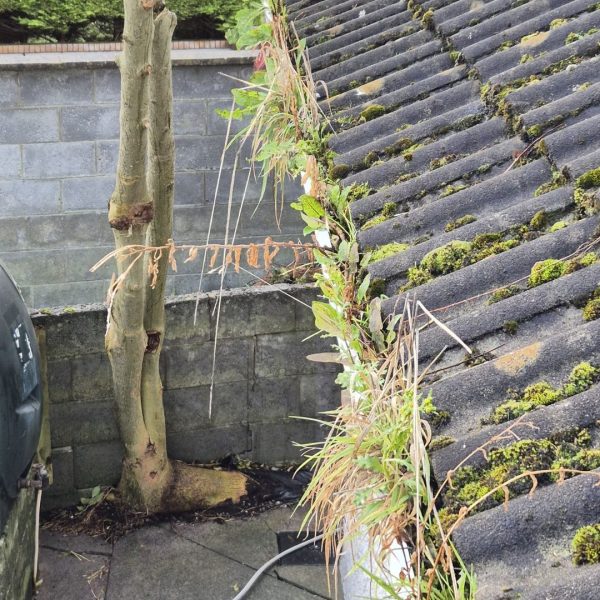
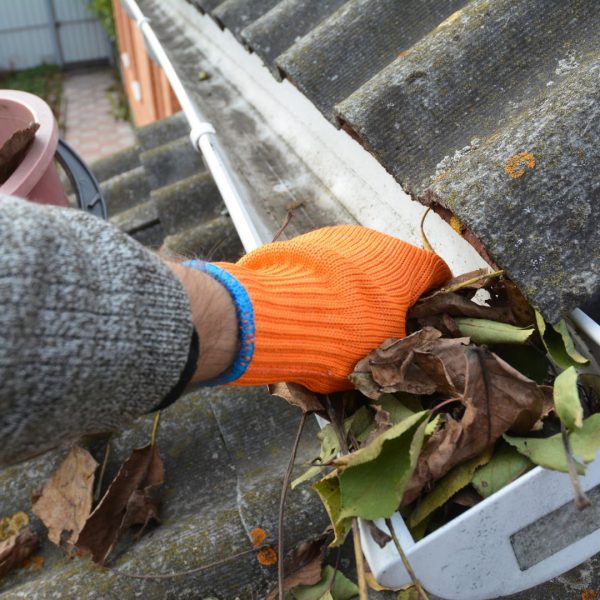
Get a Free Gutter Cleaning Quote in Galway
Cost of Gutter Cleaning Galway
Quotations for this work vary far more than the work itself does, and three specific omissions account for most of the gap between a low price and a fair one. The first is downpipes. A figure covering channels alone leaves out the component most likely to be causing the trouble in the first place, because a blockage in a vertical pipe cannot be seen from any angle and produces precisely the same overflow as a full channel. Emptying the horizontal runs and leaving the pipes takes half the time, looks complete from the ground, and frequently changes nothing at all. A quotation should say explicitly that downpipes, outlets and the hoppers feeding them are included, and if it does not, that is the first question to ask. The second is the parts of a property nobody looks at. A cheap price on a detached house very often covers the front and one side. The rear, the extension, the garage and the run above a conservatory are exactly where debris gathers, because they tend to be the shaded, sheltered and tree-adjacent parts of a building, and they are also the parts a customer is least likely to inspect afterwards. A price should be for every run on every structure, and where it is not, that ought to be stated rather than left to assumption. The third is the flush test. Emptying a channel demonstrates that it is empty. Putting water through it demonstrates that it works, and that is the only way to find a blockage below the visible section of a downpipe or a length that has dropped and now holds water permanently. It takes time and produces nothing photogenic, which is why it is the first thing to disappear from a price pitched to win. Asking about all three is straightforward and the answers are revealing. A contractor who includes them says so without hesitation. One who does not tends to talk about the channels. What everything here covers is stated in writing before anybody attends: which runs, whether the downpipes are part of it, and whether each length is flushed at the end. Assessments across County Galway are free and carry no obligation. Comparison then becomes possible on equal terms, which is the entire point. Two prices for the same scope can be weighed sensibly. Two prices for different scopes described in identical language cannot, and that is the situation most householders are actually in when they think they are comparing quotations. There is one more question worth putting to anybody quoting, which is what happens to the material taken out. The answer should be that it leaves with them. Debris dropped into a border, tipped behind a shed or washed into a drain is not disposal, it is relocation, and in the case of anything washed downward it frequently ends up creating the next blockage. Bagging it and removing it from the property takes time and adds a small amount to a price, and its absence from a quotation is another indicator of what else may have been trimmed.
Commercial Gutter Cleaning Galway
On larger buildings the consequences of a blocked run change character entirely, because the volume of water involved is far greater and what sits beneath it is usually worth protecting. A commercial or industrial roof collects an enormous quantity of water during heavy rain, all of which is meant to leave through a drainage system sized for exactly that volume. When part of it stops working, the surplus does not disperse politely. It takes the shortest route down, which on a large building frequently means straight onto a loading bay, an entrance, a stock yard, or the wall of a unit containing something that must not get wet. A domestic blockage marks a wall. A commercial one puts water where stock, equipment or vehicles are standing. Valley and box gutters deserve separate mention because they behave differently from anything on a house. Rather than hanging off an outer edge, they run between roof planes or behind a parapet, which means an overflow discharges inward into the building rather than outward onto the ground. Nobody sees the blockage forming, nobody sees the overflow happening, and the first evidence is water inside on a stock rack or across a floor. These are also the runs least likely to have been looked at, since there is nowhere at ground level from which they can be seen. Buildings where water reaching the interior carries consequences beyond the repair itself deserve priority within any programme. Anywhere holding records or stock, anywhere with electrical installations at working height, and anywhere the public occupies all sit above general storage in a sensible order of works. Hotels, retail units, industrial premises, business parks, schools, community buildings and healthcare sites throughout County Galway sit on schedules for that reason. The exposure varies enormously and the arithmetic does not: a clearing visit is trivial set against water reaching a trading floor. Timing is fitted to how a building is used rather than to the crew, which usually means outside trading hours, during a shutdown, at weekends, or working in sections so that no entrance or yard is out of use for a whole day. Where scale makes a single visit impractical, a building can be programmed in parts across a year, and portfolios can be spread the same way so that expenditure lands predictably rather than in one unwelcome figure. What each visit produces for the client is a straightforward statement of which runs were dealt with, what was found in them and anything noted that falls outside clearing. One further consideration applies to buildings that have been extended, converted or altered over time, which describes a good proportion of commercial stock. Alterations frequently leave drainage arrangements that made sense for the original structure and rather less sense for the current one: runs discharging onto a newer roof, downpipes terminating where a wall now stands, and lengths that were reconfigured by somebody working to a deadline. Those are identified during a first visit and reported, since no amount of clearing compensates for a system that was never right.
Gutter Cleaning FAQs
What does gutter cleaning in Galway involve?
Gutter cleaning in Galway involves the removal of leaves, moss, dirt, debris and other blockages to help keep your gutters clear and working effectively.
What is included with gutter clearance?
A professional gutter clearance removes accumulated debris from the gutters and helps ensure rainwater can flow freely through the system and downpipes.
How often should I have my gutters cleaned?
Most properties benefit from gutter clearance at least once or twice a year, although homes surrounded by trees may require more frequent cleaning.
Can blocked gutters cause problems?
Yes. Blocked gutters can cause water to overflow, potentially leading to dampness, staining and damage to walls, fascias and other parts of the property.
Do you provide gutter clearance near me in Galway?
Yes. Professional gutter clearance is available throughout Galway and surrounding areas, helping keep residential and commercial guttering clear of leaves, moss and debris.
Areas We Cover
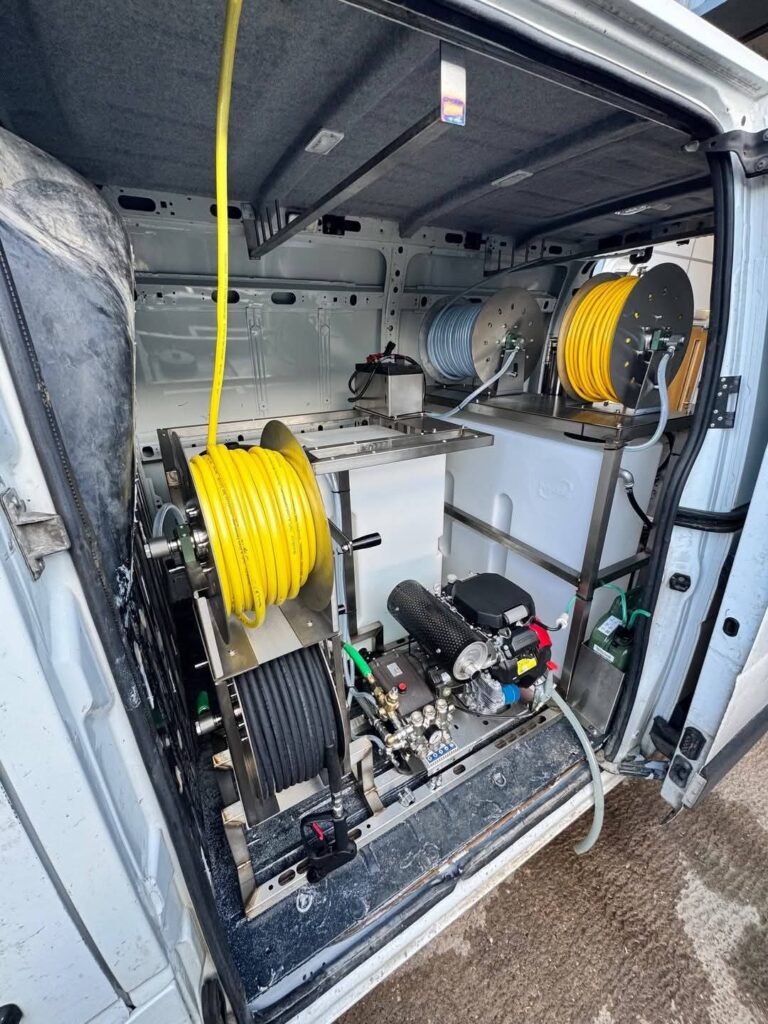
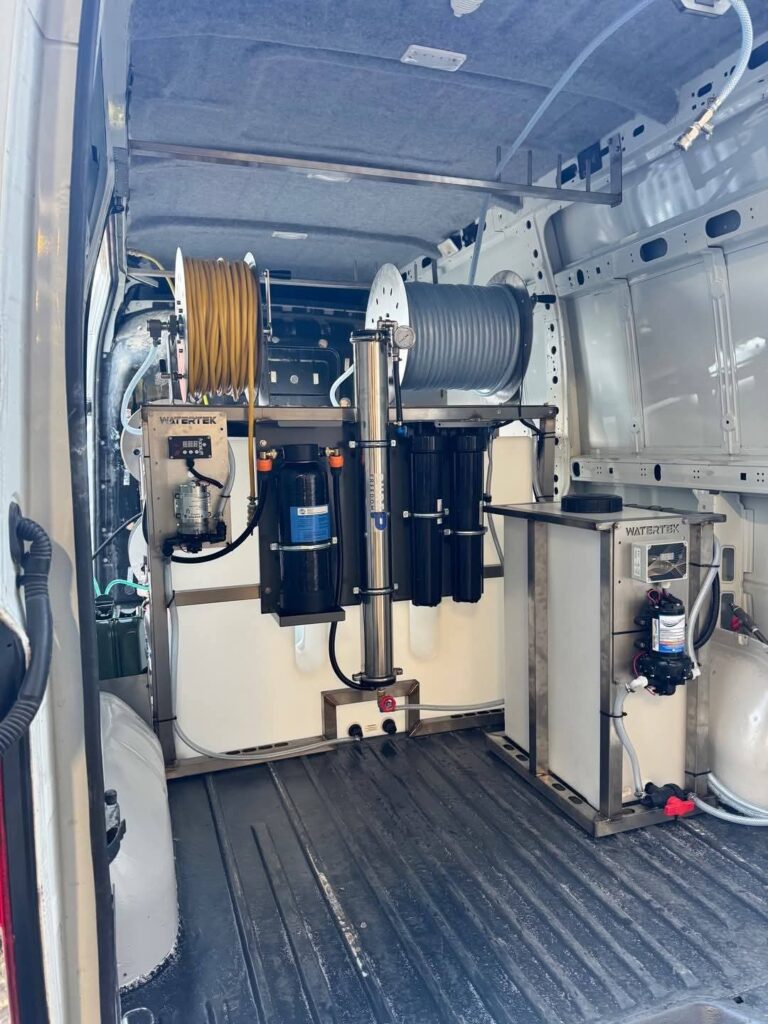
Exposure in this county produces a noticeably different mix of debris from sheltered inland areas, and it changes both how often the work is needed and how difficult it is. Wind is the dominant factor. It carries leaf matter considerable distances, so a property with no trees of its own can fill steadily from vegetation some way off, which surprises owners who assume they are safe on that front. More importantly, wind drives material along a run and packs it hard against outlets and into the mouths of downpipes rather than leaving it lying loose in the channel. That compacted material is far more stubborn to remove than the soft accumulation found in sheltered gardens, and it is considerably more likely to have blocked a pipe rather than merely filled a gutter. Salt-laden air contributes in a less obvious way. It encourages organic growth on and around a roofline, and fragments of that growth wash down into the channel continuously through the wet months rather than arriving in one seasonal fall. The result on many properties is a run that fills all year rather than each autumn. The practical consequence is that exposed buildings frequently need attention on a more regular footing than their tree cover alone would suggest, while sheltered ones sometimes need it less often than their owners assume. Which applies is established by looking rather than guessed at, and a property found to be in reasonable order is told so. Coverage runs from the city outward across County Galway, taking in towns, coastal villages and rural properties well off any main road, with nothing added to a price for distance travelled. Anyone searching gutter cleaning near me should expect the same assessment wherever they are ringing from. Vehicles carry their own equipment and power, so nothing is required from a property beyond somewhere sensible for a vehicle to stand, and a long or narrow approach is worth mentioning at the point of booking so the right kit arrives first time. What a survey establishes is not simply whether the runs are full. It establishes whether they fall correctly, whether the downpipes discharge freely, and whether anything about the system itself is contributing to the problem, because a run that has dropped will hold water regardless of how thoroughly it is emptied. Clearing that section resolves nothing, and saying so is more useful than accepting the booking and returning to the same conversation the following winter. For properties on an established arrangement, the interval is reviewed rather than repeated indefinitely. A building that produced very little at its last two visits does not need the same frequency as one that filled again within months, and stretching the first while shortening the second costs nothing to organise and produces a better result for both. That review happens as a matter of course rather than on request, because a schedule left unexamined for years eventually stops matching the property it was written for. It also means nobody is paying for visits that a camera has already shown to be unnecessary.