
Roof Cleaning Tipperary
- Rated 5-Stars ⭐⭐⭐⭐⭐
- Residential & commercial roof cleaning
- 10+ years of experience
- Eco-Friendly cleaning solutions
- Free roof cleaning quotes in Tipperary
- 500+ projects completed
Get a FREE Roof Cleaning Quote in Tipperary
Rated 5-Stars
EXCELLENTTrustindex verifies that the original source of the review is Google. Very helpful and great workPosted on GoogleTrustindex verifies that the original source of the review is Google. Had the guys up first time on Friday did a great job very happy in what they did very pleasant arrived on time just got on with the job highly recommend would get them again thanks guys 🙂Posted on GoogleTrustindex verifies that the original source of the review is Google. Very happy with our roof and gutter cleaning. Good communication and professional. They even removed an old satellite dish for us. Great job and much appreciated!Posted on GoogleTrustindex verifies that the original source of the review is Google. Very happy with window cleaning service. Very professional. No complaints.Posted on GoogleTrustindex verifies that the original source of the review is Google. I was really happy with the work premium power washing services did at our house. The house looks great, really freshened it up for the summer. Id highly recommend them.Posted on GoogleTrustindex verifies that the original source of the review is Google. We are delighted with the power washing service Brian provided. They were reliable, punctual and incredibly tidy. Will definitely be back next time.Posted on GoogleTrustindex verifies that the original source of the review is Google. Brian, fabulous to deal it. Guys done a lovely job. Would recommend. Thanks againPosted on GoogleTrustindex verifies that the original source of the review is Google. Fantastic service! Brian cleaned the patio, roof, gutters, windows, soft washed walls, and the house came up like new! Very fast service and so easy to deal with, highly recommend!Posted on GoogleTrustindex verifies that the original source of the review is Google. Very efficient super service extremely professional highly recommend
Professional Roof Cleaning Tipperary
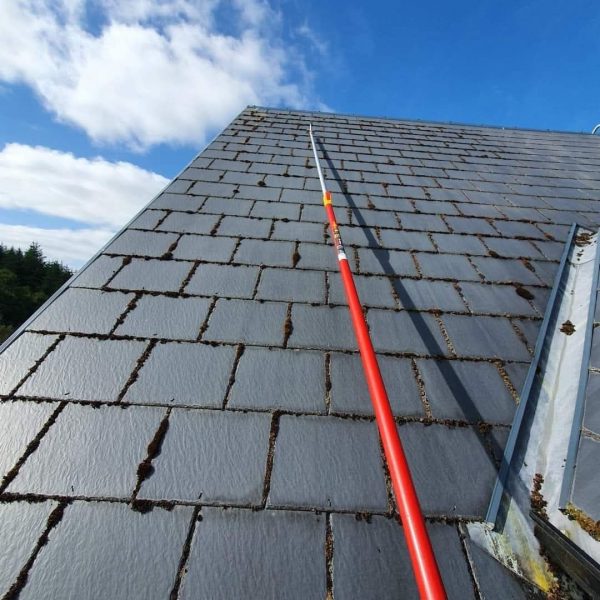
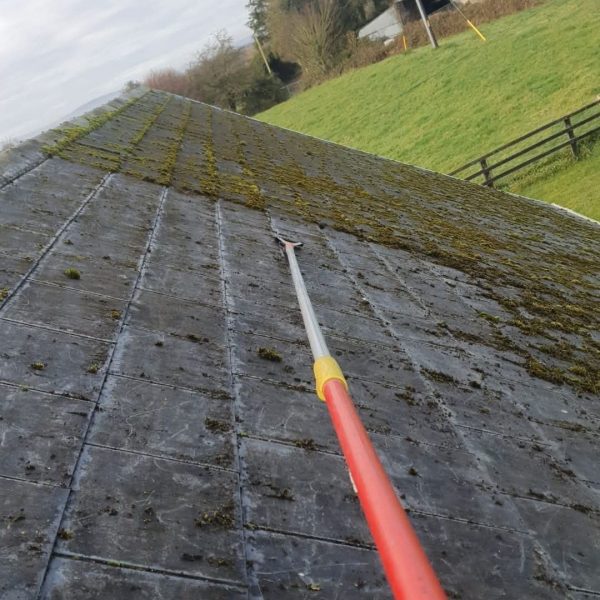
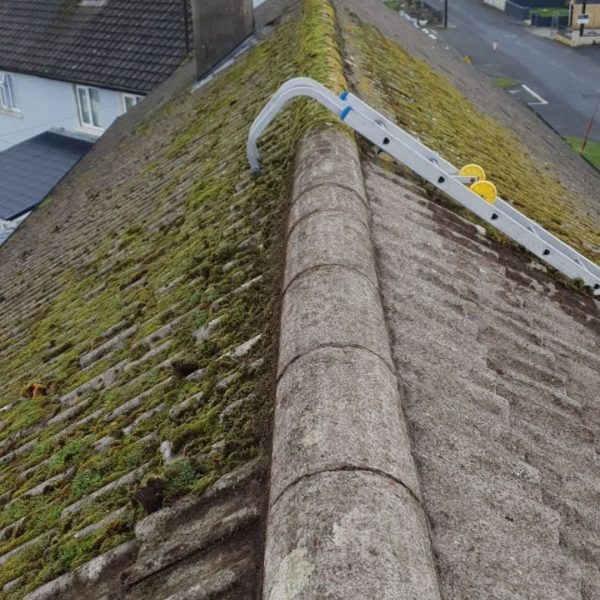
Most people commission this work after somebody else points out the state of their roof, which means the question of whether it genuinely needs attention often goes unasked. It is worth being able to answer it, because roofs range from perfectly fine to seriously compromised, and the visual difference between those states is smaller than it should be. Uniform green discolouration across a covering, with no depth to it, is algae. It is unattractive and it is not urgent. Algae sits on the surface, holds relatively little water and does no structural harm, and a covering carrying nothing but algae can usually be left for another year or treated on its own without mechanical work. Dark speckling that resists everything, particularly on concrete tiles, is lichen. It anchors into the pores of the material and will not brush, wash or weather off. Lichen is a longer-term concern than algae because those anchor points gradually break down the surface of the unit, and because it cannot be dealt with by force at all, only chemically. Raised cushions, especially along laps and in valleys, are moss, and moss is the one that matters. It holds many times its own weight in water and keeps the covering permanently damp beneath it. Through winter that trapped water freezes repeatedly, flaking the faces of concrete tiles and splitting the layers of slate. It grows into the overlaps and lifts units fractionally out of position, which interrupts the path water is meant to take. Fragments break away continuously and collect wherever the roof drains. A covering with established moss is being actively shortened in life, every winter, and that is the point at which the work stops being cosmetic. Two further signs are worth checking from ground level. Granular material accumulating below the roof line indicates a concrete covering losing its surface layer, which is normal in small amounts with age and significant in large ones. Visible sagging, slipped units or daylight where there should be none are structural matters that cleaning will not address and that a survey should identify. Where the answer is that work is warranted, the method is straightforward. Moss is scraped away by hand working with the fall of the covering, collected and removed from the property. A biocide is then applied at low pressure across the whole area and left to work, which is the part that determines whether the result lasts a season or several years. Nothing is blasted, because force strips the protective surface from tiles, delaminates slate and drives water up beneath the laps into the structure. Coverings across County Tipperary sit in a damp inland climate with long humid spells, and growth establishes readily on any pitch that does not get sun. Treated properly on a sensible interval, that stays manageable indefinitely. One further point applies to almost every property. Overhanging branches shading a pitch and dropping leaf matter onto it will keep any covering damp and fed no matter how thoroughly it is cleaned, and cutting them back does more for the interval between visits than any product on the market. That advice is given at survey because it reduces how often the work is needed, which is exactly the sort of recommendation a customer is entitled to hear.
Why Choose Us for Roof Cleaning?
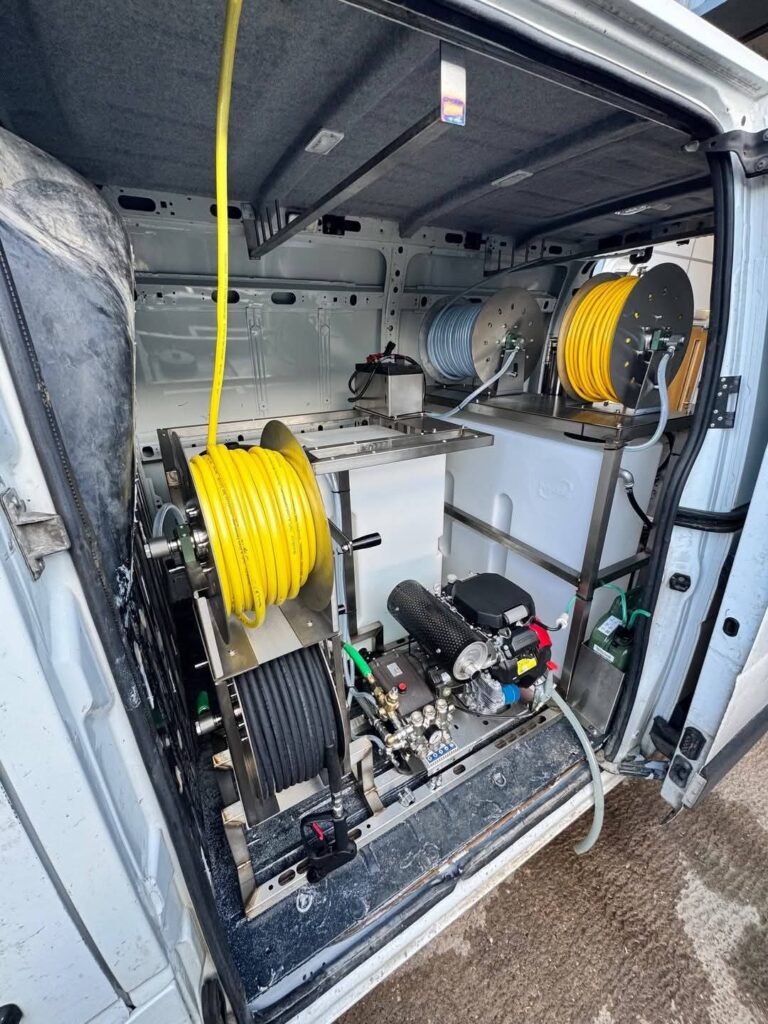
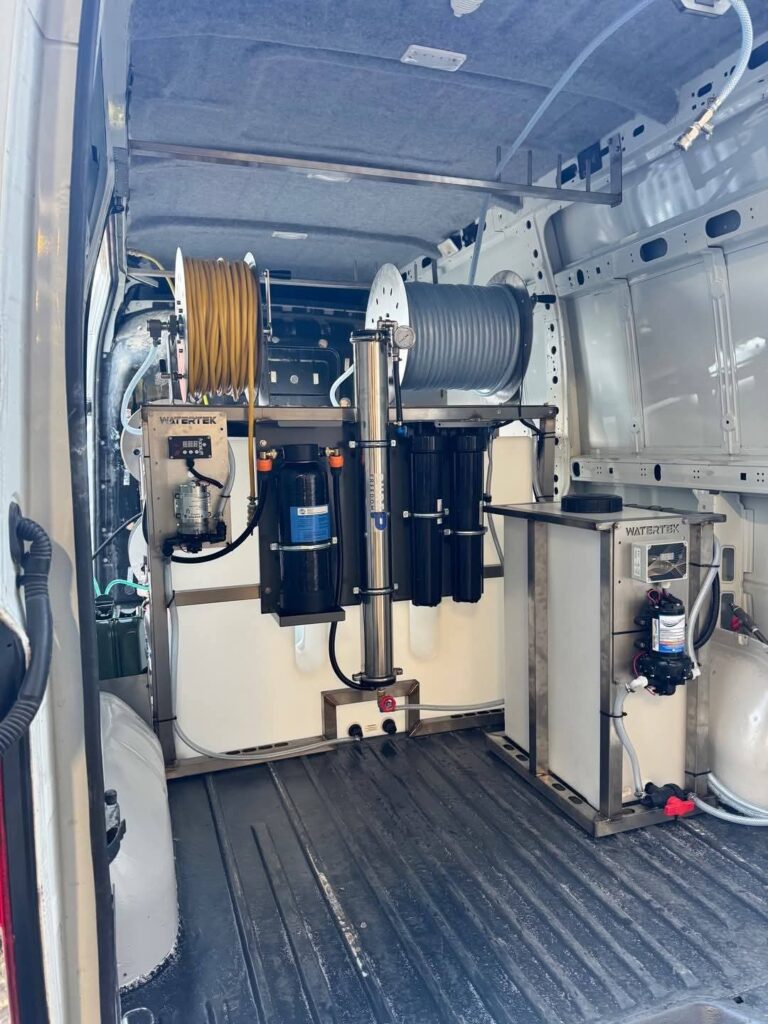
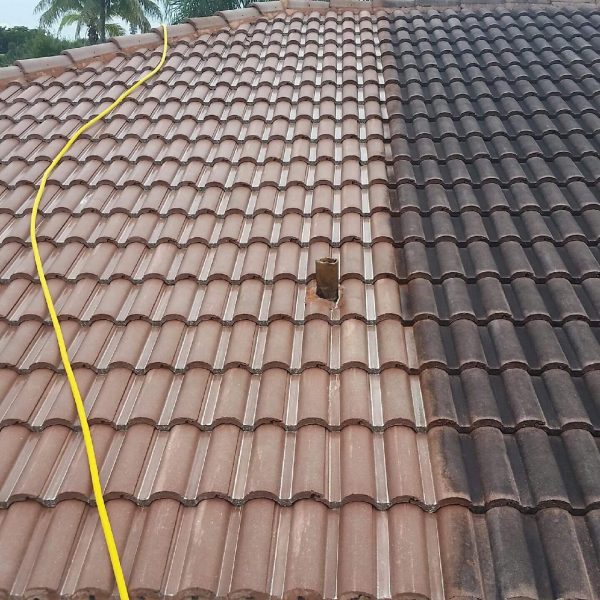
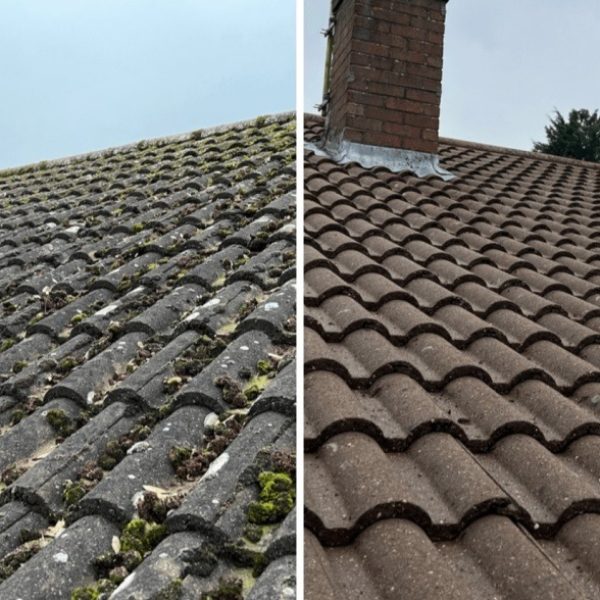
It is easier to judge a roofing contractor by what they decline to do than by what they promise, so it is worth stating the refusals plainly. Force is never applied to a covering. Not at a reduced setting, not briefly, not on the section nobody can see. High-pressure water strips the granular finish from concrete tiles and leaves the porous body beneath exposed to water, which then colonises faster than the original surface ever did. It splits slate along its layers. It drives water upward under the overlaps into the roof structure, where the damage is invisible until it is expensive. The reason this method persists is that it produces an immediate, dramatic result that photographs beautifully, and the harm surfaces years later when it gets attributed to age. Nobody walks a covering that has not been assessed. Brittle, weathered, previously repaired or already thinned sections are identified before any weight goes on them, and where a roof will not safely bear foot traffic the work is completed from the access equipment instead. Deadlines never override that judgement, and neither does a customer keen to have the job done in one visit. Debris is never left behind. Scraped moss off a neglected covering fills more bags than anyone expects, and it goes off the property. It is not swept into a corner of the garden, not left in the drainage arrangements, and not pushed over the edge and forgotten. Timescales are never overstated. Customers are told the covering will keep improving for weeks and months after completion as treatment works and weathering clears the dead growth, rather than being promised a uniform finish by teatime. That conversation happens before the quotation is accepted, not after the first phone call asking why the roof still looks patchy. Work is never taken on that cannot deliver. Where a covering has deteriorated past the point that cleaning helps, the survey says so and no job follows. Where treatment alone will handle light growth, that is what gets recommended rather than the fuller and dearer option. What is provided instead is unremarkable and consistent. Trained operators who assess before they act. Access equipment appropriate to the building rather than a ladder and optimism. Current public liability cover with certification available on request. Written method statements for work at height. A photographic record of the covering before and after, and a condition report noting anything found along the way whether or not it produces further work. Premier Power Washing has built its position throughout County Tipperary on repeat business and recommendation, which only functions if the roofs cleaned five years ago still look right today. That is a slower route than promising miracles, and it has proved considerably more durable. Guarantees are treated the same way. No honest operator can guarantee that a covering will stay clear indefinitely, because growth returns as a function of aspect, shelter and weather rather than of workmanship, and any promise otherwise is written to be argued about later. What is offered instead is a clear statement of what the treatment does, roughly how long it holds under the conditions at that particular property, and what a realistic return visit would involve.
Our Latest Projects
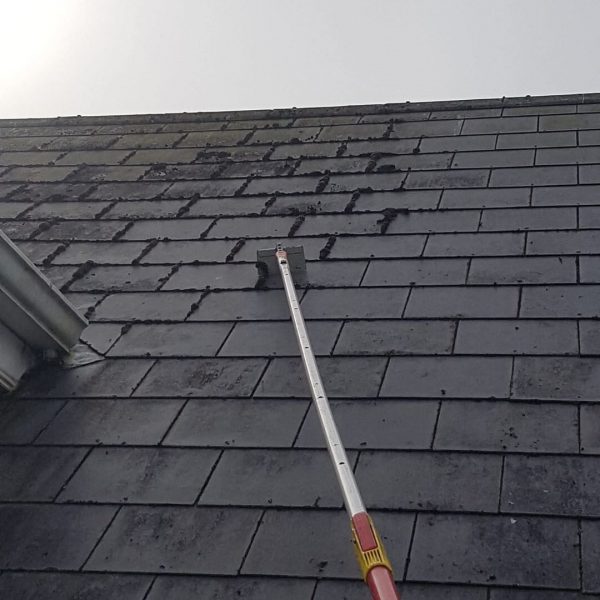
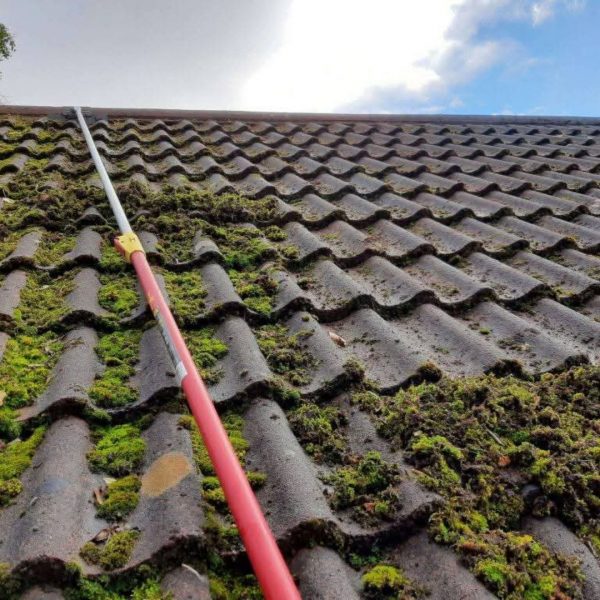
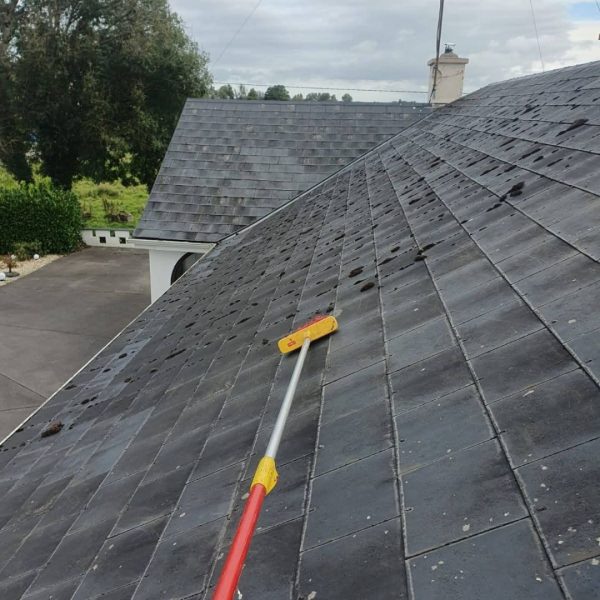
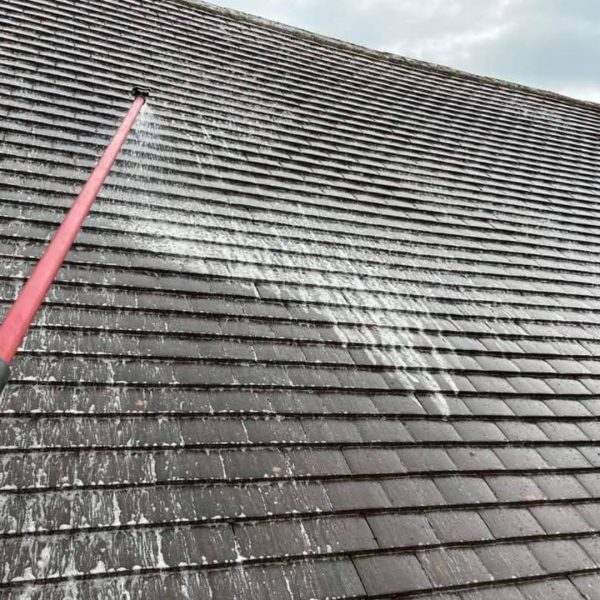
Get a Free Roof Cleaning Quote in Tipperary
Cost of Roof Cleaning Tipperary
Two figures sit either side of this decision. The first is what having a roof cleaned costs. The second is what replacing one costs: a full strip, disposal of the old covering, new underlay, battens, units and fixings, scaffolding for the duration, and a fortnight of upheaval at a property somebody is living in. For most buildings that second figure is among the largest single bills it will ever generate. The relationship between those two numbers is the entire argument for the work. A covering with sound remaining life, being steadily degraded by retained moisture and repeated freezing, can frequently have years added to it for a small fraction of what replacing it would cost. That is not a claim that cleaning rescues a failed roof. Where a survey finds a covering genuinely past its useful life, the report says so and no job is taken on, because taking money for work that cannot deliver is a short-lived way to run anything. But the number of roofs written off from the ground as beyond saving that turn out to be entirely sound beneath a decade of accumulated growth is considerable, and the only way to establish which is which is to look properly. Timing affects the total more than most owners realise, and it works in one direction only. Growth that is dealt with while it is still shallow needs treatment and comparatively little mechanical work. The same covering left another five years needs days of hand removal before treatment can even be applied, produces several times the debris to collect and dispose of, and by then has spent five more winters holding water against the material. The first clean of a long-neglected roof is always the dearest it will ever have, and every subsequent visit is a fraction of it. Expenditure can be phased where that suits. On properties with multiple roof areas, or where budget is a genuine constraint, addressing the worst-affected elevations first and bringing the remainder onto the same cycle later spreads the cost without losing the benefit of getting the damaging growth off the covering. Where cheaper quotations arrive from elsewhere, the sensible response is to ask what they contain rather than to assume they describe the same work. Treatment sprayed onto deep established moss without mechanical removal beforehand is a common and largely ineffective proposition. Work carried out only from where a ladder reaches produces a covering cleaned at the front and untouched at the back. Both look like savings and both end with the job being paid for a second time. Every roof in County Tipperary is quoted after inspection. Surveys are free, they cover the condition of the covering rather than the growth alone, and photographs are supplied of a surface the owner has no other way of examining. Quotations are written, itemised and specify the method proposed, so any comparison being made is between like and like. Nobody is pressed for a decision while the equipment is still on the drive, and a price stays open long enough to be thought about, discussed and weighed against whatever else the property needs spending on that year.
Commercial Roof Cleaning Tipperary
Agricultural and industrial buildings account for a great deal of the roof area in this county, and they present a different set of problems from housing. The spans are larger, the coverings are frequently profiled sheeting or fibre cement rather than tile or slate, the structures were built for function rather than appearance, and many have never been inspected at close quarters since they went up. Growth behaves differently on these buildings too. Large low-pitched expanses shed water slowly and hold moisture across broad areas rather than concentrating it in valleys. Sheeting develops lichen and algae that trap damp against fixings and laps, and the resulting corrosion around fasteners is a far more pressing concern than appearance. On older fibre cement, surface deterioration and moss establishment together can make a covering both unsightly and progressively less sound. Access is the defining constraint. Many of these roofs cannot be walked at all, either because of the covering type or because of what is stored or operating beneath them, so work is planned from access equipment positioned around the structure. That takes longer, costs more and is not negotiable. Where fragile coverings are involved, the assessment happens before anyone commits to a method, and if the answer is that the building cannot be worked safely, that is the answer. Operational disruption is planned around rather than accepted. Farm buildings are easiest when stock is out and seasonal demands are at their lowest. Production facilities suit planned shutdowns. Haulage and plant yards clear at weekends. Fitting into those windows costs nothing extra and is the difference between a job that is welcome and one that is resented. What lies below the working area matters more here than on housing. Debris falls, so drop zones are established and controlled with barriers and signage, and stored materials, vehicles, feed and equipment are covered or moved before anything starts. On sites where activity cannot pause, the work is sequenced so only part of the building is affected at any time. Documentation is prepared for the specific premises: a method statement covering the actual structure and its access requirements, a risk assessment reflecting the real hazards including fragile coverings, and current insurance certification supplied without needing to be chased. Where a site operates under its own environmental or hygiene conditions, product selection and water handling are checked against those before application. Commercial and retail premises, business units, schools, community buildings and managed developments throughout County Tipperary are handled on the same principles, with method unchanged by scale. Condition reports issued on completion frequently prove more useful to the client than the clean itself, particularly on buildings where nobody has been up close in twenty years. Surveys are free, quotations set out scope, access and timing in writing, and larger portfolios can be phased across several years so expenditure is spread sensibly. For buildings that have never had this done, the sensible first step is usually an inspection with no work attached, producing a report and a set of photographs that establish what condition the structure is actually in. A good many owners discover the covering is sounder than they feared, and a smaller number discover the opposite while there is still time to plan for it.
Roof Cleaning FAQs
How often should I have my roof cleaned in Tipperary?
The ideal frequency depends on the type of roof, its condition and the amount of moss, algae, dirt and staining present. Regular roof cleaning can help keep your roof looking clean and well maintained.
Can roof cleaning remove moss and algae?
Yes. Professional roof cleaning can effectively remove moss, algae, lichen, dirt and other unwanted build-up. The appropriate cleaning method will depend on the roof and its condition.
Is roof cleaning safe for my property?
Yes, when carried out by experienced professionals using suitable equipment and cleaning methods. Premier Power Washing Services takes care to use appropriate techniques for the roof being cleaned.
How long does roof cleaning take in Tipperary?
The time required depends on the size of the roof, its condition, accessibility and the level of moss, algae or staining present. Each roof is assessed individually to determine the most suitable approach.
Why choose Premier Power Washing Services for roof cleaning?
Premier Power Washing Services has over 10 years of experience and has completed more than 500 projects. We use professional equipment and proven roof cleaning techniques to provide reliable results throughout Tipperary.
Areas We Cover
Roofs are attended to right across County Tipperary, from town centre terraces and estate housing to farmhouses, one-off rural builds and yards at the end of lanes that satellite navigation gives up on. The quoted price does not vary with how far the van travelled, and there is no distance at which an enquiry stops being welcome. Enquiries that begin with somebody searching roof cleaning near me almost always end with an inspection being arranged, because the honest position is that nothing useful can be quoted from a description. Two roofs of the same size in the same townland can require completely different amounts of work depending on aspect, shelter and how long the growth has been building, and none of that is visible in a photograph taken from the front gate. Surveys are free, carried out at height wherever it is safe, and the photographs taken during them are handed over regardless of whether the work goes ahead. That inspection often turns up more than the customer expected, which is the nature of a surface nobody ever sees. Slipped units, failed mortar at ridges and hips, damage left by previous foot traffic and thinning from earlier aggressive cleaning all get reported plainly with images, whether or not they fall within the scope of the quotation. Rural properties are straightforward because nothing is needed from the site. Water and power are carried, access equipment is transported rather than hired locally, and the only requirement is somewhere sensible for a vehicle to stand. Where an approach is narrow, soft underfoot or shared with livestock, a short conversation beforehand means the right equipment arrives first time rather than a second visit being needed. Weather sets the pace of this work far more than the diary does. Treatments need a dry covering and settled conditions to hold properly, and safe work at height depends as much on wind as on rain, so dates are offered with realistic contingency and a call comes the day before if conditions force a change. Nobody is left waiting for a crew that was never going to make it. The busiest stretch runs from spring into early summer, once a winter’s growth becomes impossible to ignore from the road. Autumn and winter enquiries are surveyed on exactly the same terms, with the work programmed into the first suitable window rather than forced through unsuitably to hit a date somebody has written down. Homeowners, landlords preparing properties, farmers with buildings that have never been touched and agents managing developments all receive the same process: a proper inspection, a written and itemised quotation, and a straight account of what the covering needs. Including, when it applies, the recommendation to spend less than was expected or nothing at all. Repeat custom accounts for the majority of the diary in this county, which is only sustainable if coverings cleaned five and six years ago still look right when somebody drives past them today. That is the standard the work is measured against, and it is a considerably harder one than a photograph taken while the roof is still wet.